

“How to save Pocket Money as a student?”- Me
“You can cut short your expenses and spend wisely. But do you know what is pocket money and why do you receive it?”- Papa
I was blank and did not know how to answer my father’s query. (I was a 9-year-old kid then). Let me make it simple for you (students) now!
Are you wondering how to save Pocket money as a student? Do you also want your pocket money to grow? Learn the secrets to saving and spending it wisely in this article!
Table of Contents
What is Pocket Money? What is the significance of it?

Pocket Money is a certain amount parents/guardians give their children to manage their expenses. It is generally provided per month but can vary as per family.
Parents/guardians allot Pocket Money to their kids to take charge of their expenses and spend wisely. This can be a great opportunity for kids to learn about financial literacy.
Financial Literacy for Kids.
As per Investopedia, Financial literacy is the capacity to understand, analyse and spend money.
Financial Literacy for kids can be practised/initiated by establishing a budget for their expenses, developing smart spending habits, earning extra income (scholarships for students), the known advantages of public transport, second hand books, homemade food, developing saving habits and more.
How to save Pocket Money as a student?
Now that we know the importance of financial literacy for kids, let us address the next big question- How to save Pocket Money as a Student?
1 Establishing a budget
A budget can be synonymous with an outline of an essay. An outline is like a roadmap to an essay; one needs to stick to it to avoid deviating from the topic. In the same way, a budget for pocket money is essential to spend wisely.
Students can divide their pocket money into sports, study, travel, food, miscellaneous expenses, savings and more.
2 Identifying Essential vs. Non-essential Expenses
Students can develop a habit of saving their pocket money by differentiating between essential and non-essential expenses.
Items like transportation, essential school supplies and food must take a front seat before trendy clothing, social gatherings and the latest gadgets.
Kids can take a break from their regular schedules occasionally and spend their pocket money on these non-essential expenses.
3 Need vs Want
Lack of experience in kids often confuses them to differentiate between need and want. They end up buying any unusual thing that they urge.
Recently one of my nephews had to prepare for a science olympiad. His teacher chose a book and the participants would get to prepare from it in turns. He was the last one to get the book, so he opted to buy it instead of waiting for his turn. He ended up spending half of his pocket money.
Students should try to find solutions to manage day-to-day expenses. With a little bit of patience, they can save a good portion of their pocket money. Parents, teachers and other family members can be their guide in this.
4 Homemade Food
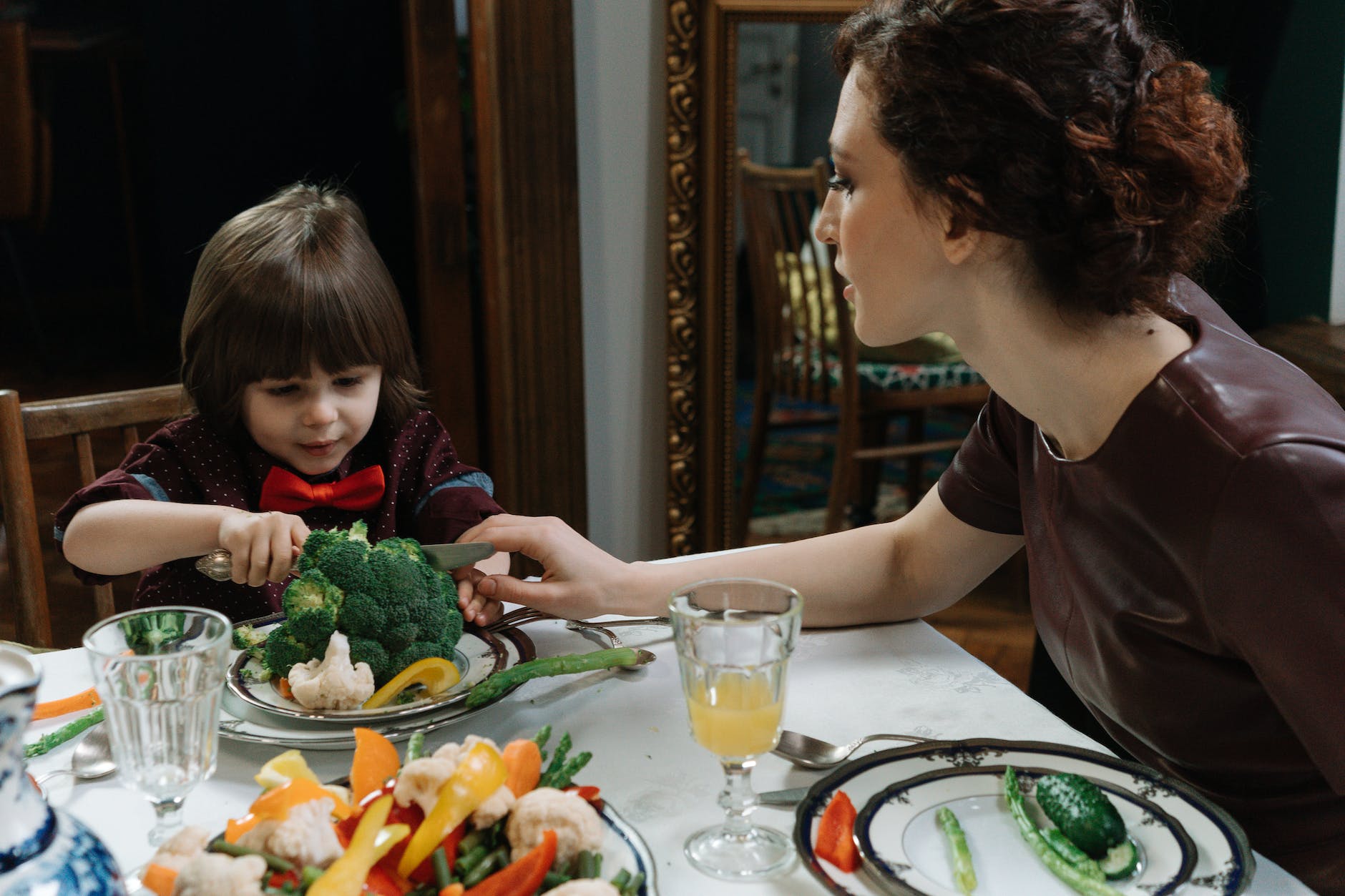
Students can save a good portion of their pocket money by carrying homemade food. Yes, apart from savings, homemade food is also a healthier option.
Kids can carry a tiffin box or a bottle of homemade juice/smoothie to school. Parents can make homemade food look more interesting by trying out new recipes. A simple paratha can be served with innovative stuffings and chutneys. A boring sandwich can be remodelled as fantastic-looking by just slicing the veggies in a different and fun-looking way.
Check out my article for a healthy child-eating routine.
5 Second hand books
New books are the priority of students. They are in demand throughout the year. But these can be a burden to their pocket money. Second hand books can be a good solution here.
Students can save a lot of their pocket money by opting to buy second hand books. These books might look a bit old and dirty. They are equally useful as the newer ones. To make them look decent a book cover can also be a great help.
But before buying these second hand books, kids need to check for any missing pages and changes in the syllabus.
6 Free extracurricular activities for students
Kids always enjoy rides and visits to parks. If asked they can play there all day long. But these can burn out their pocket money instantly. Kids can on the other hand opt for free rides and visits. Often these are sponsored by their school or society. There are also many places where the tickets are free for kids. Students can identify those places and visit them whenever they want.
7 Scholarships for Students
Education has become too expensive and can burn out all the pocket money of a student. To get some relief, there are scholarships for students. They can help to cover tuition fees, textbooks, or even living expenses.
Apart from contributing to financial stability, these scholarships for students can also open doors to broader educational and career opportunities.
8 Advantages of Public Transport
There are numerous advantages of public transport and one among them is that they are easy on the pocket. By travelling through public transport, students can save a lot of their pocket money. It is also eco-friendly. So grab a bus, metro or train over a private car or auto the next time you travel.
9 Leveraging Student Discount
Students can use the student discount and save a good portion of their pocket money. These are also named educational discounts by some retailers. Kids can find these applicable to school supplies, software and more.
10 Developing Saving Habits
A good way to start saving habits for students is by creating a wishlist. Items in the non-urgent category can fall under this wishlist.
Students can save a portion of their pocket money either weekly/monthly for this wishlist. These saving habits will be a backup for a special occasion.
Student Buying Decision Process

Like the Buyer decision process, kids can cultivate a student buying decision process wherein they can first identify whether there is a need for the purchase. Secondly, do a bit of research about the product. Next, they can look for and compare the available alternatives. Now they can purchase the product. Finally, think about whether the purchase has solved the problem.
With the help of this student buying decision process, kids can not only save a portion of their pocket money but also develop a habit of analysing before purchasing. This will also benefit students by avoiding impulse buys.
Budgeting Apps- For Kids
- FamZoo. Founded by Bill Dwight. FamZoo is a good application for scheduling and managing kids’ pocket money. It runs on a pre-paid subscription model with a minimum of $2.50 monthly.
- Junio. Specially designed for kids, Junio is a free application to manage kid’s allowances. The Junio App has a Pocket Money Smart Card that has zero annual charge. It also has a monthly limit of ₹3 Lakhs.
- Bankaroo. Bankaroo is a virtual bank for kids to manage their budgeting goals. It has both free and paid versions. Kids from the age of 5 years can use its service.
- BusyKid.BusyKid is an amazing app to motivate kids to learn about managing allowances. Although it is a paid app ($4 per month), kids can try it out for free (30 days).
- Wizely. Wizely is an app designed for teenagers, promoting responsible spending and saving. It includes features like goal setting, expense tracking, and insights into spending patterns.
Conclusion
Pocket Money can be a great way to develop financial literacy for kids. By practising the above ten tips, students can spend wisely and save their pocket money. The student buying decision process can also be developed to analyze purchases. Lastly, with the help of tools like budgeting apps, parents and kids can channel their allowances.
FAQ’s
-
What are some practical ways students can cut down on expenses?
Students can save money by opting for homemade food, buying second-hand books, leveraging student discounts, and exploring free extracurricular activities. These choices contribute to significant savings over time.
-
How can students develop long-term saving habits from their pocket money?
Encourage students to create a wishlist, save a portion of their pocket money regularly, and practice patience in making non-urgent purchases. This cultivates a habit of thoughtful saving for future goals.
-
How can students save money on textbooks?
Students can save money on textbooks by buying second-hand copies, borrowing from the library, or exploring digital options.

Leave a Reply