
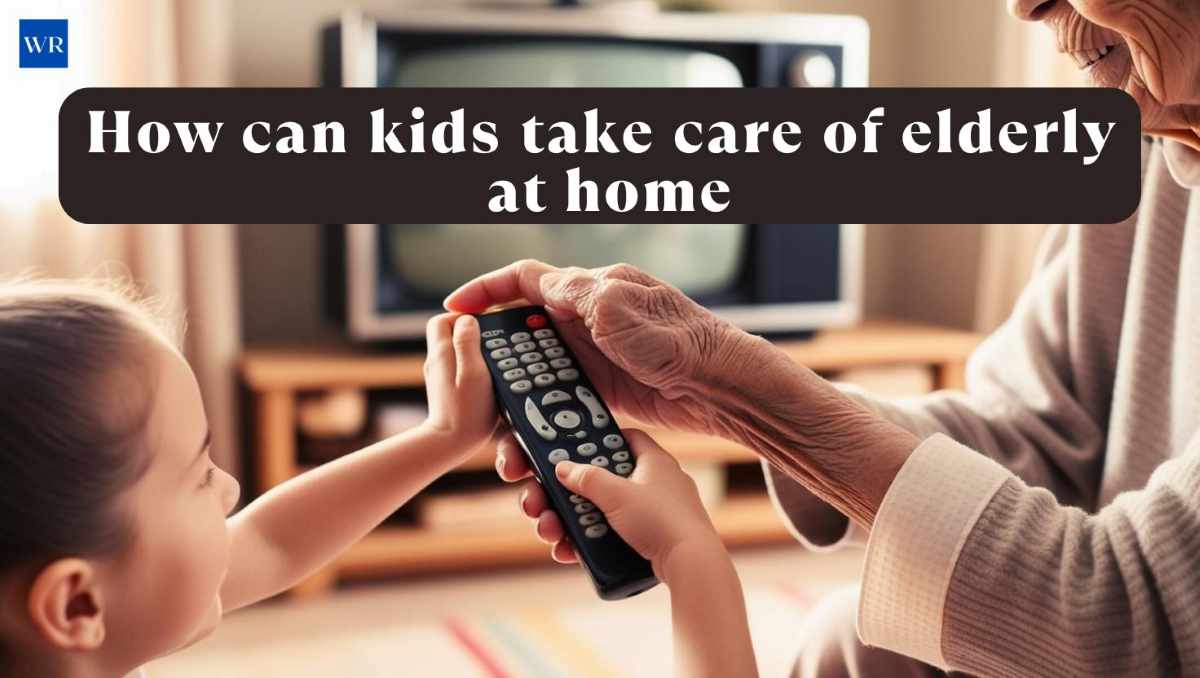
“Mumma, I helped Grandpa with a glass of water when you were upstairs.” My daughter’s eyes twinkled like stars as she told me how she had helped her grandfather.
Do you want to teach your children valuable life lessons while making a real difference in the lives of your elderly loved ones?
Learning how to care for elderly at home can be a rewarding experience for the whole family. Let us unveil 9 amazing DIY hacks that kids can adopt to foster empathy, responsibility, and practical skills towards grandparents or other elderly family members right from home.
Table of Contents
What are the challenges of old age?
According to the WHO, the number of people aged 80 and above is expected to reach 426 million by 2050. Hence, 2021-2030 is declared the UN Decade of Healthy Ageing.
This counts for a large chunk of the world population. So to understand how to care for elderly at home, we first need to know the common challenges that they face. Some of them are listed below.
- Deteriorating health
- Limited Strength and Balance
- Difficulty in mobility
- Loss of memory
- Fear of ignorance/isolation
- Loss of hearing and vision
Also Read: 5 Powerful Ways to Develop Respect For Elders in Kids
Why Involve Kids in Caring for Elderly at Home?
Some kids have a natural inclination towards helping the elderly. As per an article in the PubMed Central, factors like age and gender also play a role in the way in which kids adapt to caring for the elderly.
Involving kids in caring for the elderly at home can have significant benefits.
- Builds Empathy and Compassion: Understanding the needs of others.
- Develops Responsibility: Contributing to the well-being of the family.
- Strengthens Intergenerational Bonds: Creating meaningful connections.
- Teaches Practical Skills: Hands-on learning and problem-solving.
- Creates a Supportive Family Environment: Everyone plays a role.
- Distribute caregiving assistance: Among family members
Also Read: Why do Toddlers Write on Walls?
9 ways to teach kids how to care for elderly at home
Spending Quality time with elders
Spending quality time with elders will help kids get to know the elderly inside out. Developing good listening habits in kids and maintaining eye contact while talking will make the elderly feel valued.

My daughter, Vanshika, shares a special bond with her great-grandmother, whom she affectionately calls Dadama. Dadama is around 100 years old and visually impaired. It’s a beautiful blessing to witness their connection. It’s touching to see Vanshika’s natural inclination to care for Dadama during our visits. She’ll often help with tasks like draping her sari. Dadama finds immense joy in Vanshika’s presence, and sometimes smiles even after our little one has left the room.
Helping the elderly with Simple Chores
Kids can assist with light household tasks that might be difficult for the elderly, such as dusting low surfaces or tidying up common areas.

There are many physical problems of old age. Here are some daily chores that kids can help the elderly with:
- Bring a glass of water.
- Handing over a book or the TV remote.
- Putting away newspapers or magazines.
- Helping to tidy their living space.
- Choosing music or a movie to watch together.
Also Read: Want to Promote Mother Tongue in Your Child?
Clear Pathways and Cues for Navigation
Small obstacles like a chair or a ball can make the elderly fall while walking. Kids can help them by rearranging these to provide a clear path for the elderly to walk. Giving them simple cues, like where to stop, when to turn, can be beneficial. Kids can also offer help by making the elders touch and feel things to get a better understanding of the positioning of furniture or walls in the room.
Also Read: Discuss Good Touch Bad Touch
Help with Technology
Children are often more tech-savvy and can assist elders with using phones, tablets, or video calls to connect with family and friends.
My father had recently bought a new television. It had better technology and a different user interface. I saw him struggling while operating it. It was very easy for my daughter, since we have a similar one at home. Within a day/two, she taught her grandfather to operate it. Now my parents are in love with their new TV. The voice search option is their favourite part.
Motivate the elderly to pursue their hobby
Hobbies are one’s best buddy when someone wants to spend time alone. Kids can play a special role by encouraging elderly family members to enjoy their hobbies. This will not only make them less dependent on others but also be a sign of relief from boredom.
If an elder member of the family likes to cook, paint, dance, or anything else, a child’s enthusiasm can be just the spark to reignite that passion.
We all know Nisha Madhulika (a famous YouTuber from India). She was a teacher by profession. In 2009, she launched a cooking channel on YouTube and is now among the most successful Indian YouTubers, with 14.8 million subscribers. Today, at the age of 65, she is still very consistent in her content.
Taking care of the elderly in family functions
Family functions are a part of our lives. They create memories, and we also get to meet a lot of family and friends. But in the hush-hush of these family functions, the elderly often complain of being unattended or overwhelmed.
Children can learn to be proactive in these situations. By connecting the elderly with visiting relatives, taking care of their meals and making sure they are comfortable with timely refreshments.
Prioritise their privacy
Prioritising the privacy of the elderly can make them feel comfortable.
Also Read: Teach Children About Personal Boundaries
My grandmother-in-law has a schedule for everything, and we stick to it. So, whenever there is a family function, one of us stays around her to see if she is fine or needs something. If someone comes to visit her and it’s time for her to eat or sleep, we politely communicate this to the concerned person.
Here is how kids can understand and help maintain the privacy of the elderly:
- Inform beforehand: Kids can inform the elderly beforehand if someone is about to visit.
- Being Observant: Encourage them to notice if the elderly person looks tired or seems to want to be alone. They can then let an adult know.
- Keeping Noise Levels Down: Remind everyone to keep the volume low.
Help them organise
Kids can help the elderly organise. Here are a few simple ways to do it:
- Reposition after use. Books, magazines, toys.
- Straighten. Pillows and blankets.
- Clear. Clutter from tables and surfaces.
- Group. Similar items together in drawers or containers.
- Ensure. Frequently used items are placed within easy reach (e.g., remote controls, reading glasses).
- Create. Large, clear labels for drawers, containers, or shelves to make it easier to find things.
- Set reminders. For appointments or medications (with adult supervision).
- Help. Declutter unnecessary things.
- Help. Organise important papers into folders (with adult guidance), such as medical information or bills.
Meal time care
Meal time care is not only about providing food. It means looking to see if the elderly person needs something before finishing the meal. It can be a spoon, a glass of water or anything. Kids can be around during their meal time.
Conclusion
Empower children to participate in how to care for elderly at home through these amazing DIY hacks. They offer a unique opportunity to cultivate empathy, responsibility, and invaluable life skills within your family. From spending quality time to caring for them during meal time, simple gestures are enough for the elderly to feel loved by their family. As parents, we must look forward to strengthening the intergenerational bond. These guide our kids to understand the challenges of ageing and provide actionable ways to contribute to their care.
How do you take care of the elderly at your home? Do share in the comment box.
FAQ
-
What do seniors need the most?
Beyond basic needs like food, shelter, and healthcare, seniors most need connection (combating loneliness and isolation), a sense of purpose and engagement, safety and security, and respect for their independence.
-
What is the best way to treat elderly?
Treating the elderly well involves actively listening to their concerns, even if repeated. Be patient with their pace and potential physical or cognitive limitations. Encourage their independence and involve them in decision-making whenever possible, respecting their choices and preferences.
-
What are the benefits for children who participate in caring for the elderly?
Involving children fosters empathy, responsibility, strengthens family bonds, teaches practical skills, and provides a valuable understanding of the ageing process.
-
How can parents encourage their children to get involved in caring for grandparents or other elderly relatives?
Parents can lead by example, explain the importance of care in simple terms, make it a positive experience, and praise their children’s efforts. Focusing on small, manageable tasks can also be helpful.
-
Can DIY solutions replace professional medical equipment for mobility?
No. DIY solutions are meant for minor assistance and to promote engagement. Professional medical equipment is necessary for significant mobility issues and should be recommended by healthcare professionals.
-
How can we teach children to respect the privacy of the elderly?
Explain the concept of personal space and routines. Teach them to knock before entering rooms, avoid touching belongings without permission, and be mindful of scheduled rest or private time.

Leave a Reply