
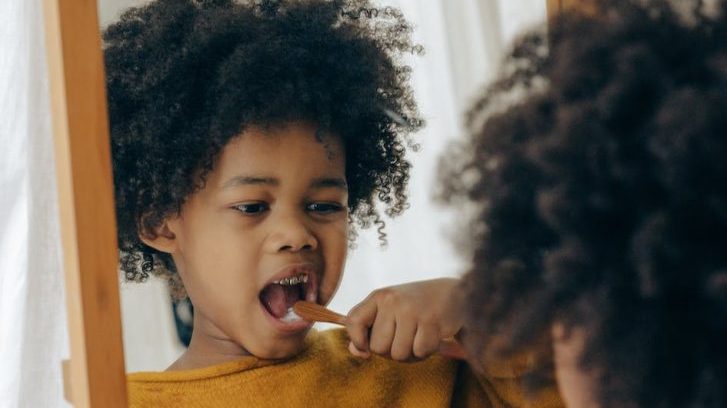
Your habits will determine your future.
– Jack Canfield
Dear Parents, don’t you feel proud and happy when you see your little one finishing their homework on time?
You pat yourself.
Good habits for kids! You are doing great as a parent.
Haha..
The secret lies here. Start by identifying essential habits for your kid’s development, such as time management and responsibility. Implement effective strategies. Provide a conducive environment. Nurture persistence to ensure long-term success. Discover the 5-step process to good habits for kids.
Table of Contents
Importance of Good Habits for Kids?
Children pay attention to every detail. They compile the activities of parents, siblings or any close family member into a habit. It is important to inculcate good habits in yourself before teaching one. Good habits provide a strong foundation for a child’s overall development. They shape their behaviours, attitudes, and mindset, leading to long-term success and well-being. It shapes the overall personality of a child and stays for a lifetime.
Connection between Habits and Personal Growth
Children who adopt discipline, self-control, and time management skills benefit a lot when it comes to personal growth.
“The significant problems we
Albert Einstein
face cannot be solved at the same level of thinking we were
at when we created them.”
The habits we incorporate today shape our personal growth.
For example, teaching kids the use of dustbins can be one of the good habits for kids to learn. They will acknowledge that littering is not a good sign right from childhood. They will advise others not to do so when they grow up.
Good Habits for Students are related to Overall Development
It is said that it takes 21 days to form a habit. Pubmed Central, in one of its articles, state howgood habits and health behaviour are related. Dopamine plays a role in this habit formation.
Continuity is the key!
From improved academic performance and improved relationships to better physical and mental well-being, good habits have multi-dimensional effects. Good habits empower children to make positive choices, handle challenges effectively, and pursue their goals with determination.
Now, letus examine the step-by-step process in detail.
1. Formation of Good Habits for Kids
Stages in Habit Formation
The figure displays the stages of habit formation. It begins with a trigger/a cue. This can be an external force(an event)or an internal push(thought). In the second stage, this can lead to an action performed routinely. Then arrives repetition, followed by automaticity, where the habit gets ingrained and becomes a part of daily life.

As explained earlier, the cue to use a dustbin can be a trigger point and if followed religiously, can be a habit for a lifetime. The process of habit formation and retention is said to be a promoter of behaviour maintenance.
How do habits form in early childhood?
Habits tend to form during early childhood when the brain is highly adaptable. Children must be encouraged to adopt and stick to a habit. It takes time and effort. Moreover, they must be left to conclude by themselves. It is advisable not to cocoon them always. Kids can be lauded for achievement and encouraged to enjoy the process of adapting a habit.
Start During Early Childhood- My Experience
From personal experience, I can say that habits cultivated during formative years stick with us for the longest time. Let’s take an example of calling names. What do you call your father?? Papa, Dad, Daddy…. Have you ever wondered why you do not call him by his name? This is because you have been taught to call him Papa since childhood. The habit has been ingrained in you and shall be with you forever.
2. Identifying Essential Good Habits for Kids
Several habits contribute to a child’s growth.
- Time management. Time management involves organising and prioritising activities. By inculcating time management, kids can learn to plan, set goals and meet deadlines. This ultimately results in good academic scores and increased productivity.
- Healthy Eating. Kids should be provided with age-appropriate food. Parents must track the diet chart of their children from time to time. A balanced diet might not look appealing to kids, but it has all the healthy essentials. By encouraging balanced and nutritious food choices, children develop an understanding of the importance of proper nutrition. Evaluate the positive impact it has on their growth, energy levels, cognitive function, and overall health.
- Physical Activity. Obesity stands tall among children in today’s world. Engaging in regular physical activity is vital for children’s physical and mental development. It strengthens their muscles and bones, improves cardiovascular health, enhances coordination and motor skills, and boosts their mood and overall well-being.
- Empathy. Sharing is caring. Children should be encouraged to develop gratitude, respect and empathy towards others in their formative years. This can be highly responsible for their positive social interaction, conflict resolution skills and optimistic outlook.
Also Read: How to Save Pocket Money as a Student?
Age-appropriate Habits for your child?
Habits should be adaptable and adjustable as your child grows and develops. Regularly assess and modify habits based on their progress, interests, and changing abilities. The goal is to cultivate habits that promote their personal growth and set them up for success at each stage of their development.

3. Creating an Environment for Habit Formation
Design a conducive environment for cultivating good habits
Craft an environment that makes your child feel secure. Understand their cues, likes and strengths. Build a structured routine and set goals accordingly. Be a role model for your child. If they observe you staying calm in difficult situations and tackling difficulties smartly, they will adopt this behaviour. For example, whenever your child gets cranky with mates, ask the reason for this behaviour and whether he wants to approach his friend to describe his feelings.
Establish a structured routine to support habit formation?
Allocating specific time to different activities can be a major player in habit formation. Set time for personal hygiene, homework, chores, play and more. Consistency in scheduling and following the routine helps children develop a sense of responsibility and discipline.
Practical ways to create a positive physical environment?

Let your child be the way they want to be. Do not always reinforce/instruct. Here, Vanshika wanted to have a ride, so we let her enjoy her time. But made sure she did not ask for it(makes a habit) every time we went out. Kids pick up cues easily.
Creating a positive physical environment includes organising spaces to support habit formation. For example, allocating a dedicated study area, keeping healthy snacks easily accessible, and displaying visual cues or reminders can help children stay focused.
4. Nurturing Persistence and Consistency
Encourage your child to maintain good habits
Have open and clear communication with your child. Make sure your kid picks up a habit on their own and not through forceful reinforcement. You can be the guide there. Help your child recognise the benefits of sticking to good habits. Set realistic expectations and provide support and guidance to ensure they stay committed to their habits. Lastly, be patient as habits are not formed overnight and at one pace.
Also Read: Heat Wave Safety Tips for Students
Address challenges and setbacks
Be patient and understand that she is just a child. Have trust in the process. Cultivate a sense of reversing the challenges and setbacks into learning opportunities for your child. Help them identify obstacles and develop strategies to overcome them. Boost or applaud them whenever you see any sign of improvement.
” Yes! You did it.”
“You finished your homework on time. Well done!”
This encouragement boosts confidence in children. Kids cultivate a sense of discipline.
5. Integrating Habits into Daily Life
Seamlessly Incorporate into Daily Routine
Make sure to align good habits with the daily routine of your child. Habits like brushing teeth in the morning, reading before bedtime, having empathy towards others and helping with daily chores can be ingrained only when they are included in the day-to-day affairs.
Visual cues as Reminders
Visual cues, such as charts, checklists, or posters, can serve as powerful reminders for habit execution. Place them in visible locations, like bedroom walls or the refrigerator, to prompt your child to follow through with their habits.
Conclusion
Remember that habit formation is not a one-day deal. It takes time and even more effort in the case of children. Embrace the journey of cultivating good habits and witness their growth and success unfold, setting them on the path to a fulfilling and prosperous life. By understanding the power of habit formation, identifying essential habits, creating a conducive environment, nurturing persistence and consistency and integrating habits into daily life, you can shape your child’s future positively.
Good Luck !!
Frequently Asked Questions
At what age should I start teaching my child about good habits?
It’s never too early to start! You can begin introducing basic habits in early childhood and gradually build upon them as your child grows and develops.
What should I do if my child resists or forgets to follow the habits?
Be patient and persistent. Offer gentle reminders, reinforce the habit’s importance, and find creative ways to make practising the habit enjoyable or rewarding for your child.
Are there any resources or tools available to help track and reinforce good habits?
Yes! There are various habit trackers, journals, apps, and reward systems specifically designed for children to track and reinforce their progress in developing good habits.
What if my child struggles with consistency in practising good habits?
Consistency can be challenging, but it’s normal. Help your child understand the importance of consistency, break the habit into smaller steps, provide support and encouragement, and adjust the habit if needed to make it more manageable for them.




Leave a Reply