
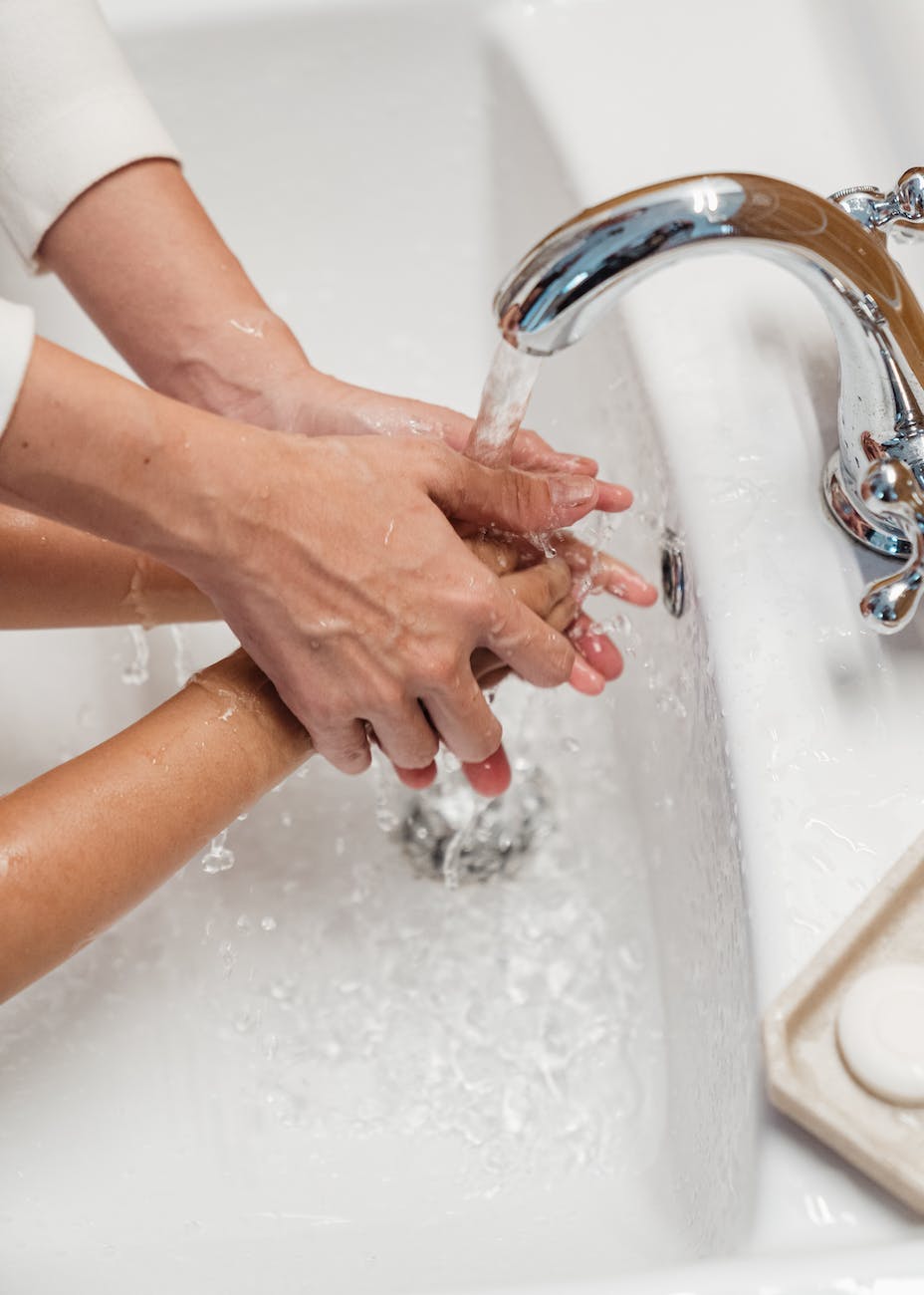
“Mumma, Handwashu!!” asks my baby whenever we are back home. She has no idea of the significance of washing hands. But has developed it as a habit after observing us religiously following the regime. Now here lies the cue that as parents we need to pick up. Hygiene can be adopted at any stage of life. But introducing it in early childhood can help them in adapting it faster. By teaching children about hygiene from an early age, we equip them with essential habits that can protect them from illnesses and promote a clean and fresh lifestyle.
Want to Raise Healthy Kids? Learn How to Explain Hygiene Like a Pro.
Start by using age-appropriate language and interactive methods to engage children to emphasize the importance of hygiene. Incorporate fun activities, demonstrations, and positive reinforcement to make the learning experience enjoyable. This can help children develop lifelong habits that promote their health and well-being.
Table of Contents
1. Understanding Hygiene Basics
What is hygiene?
Hygiene refers to the practices and habits that help maintain cleanliness, prevent the spread of germs, and promote personal well-being.
Why is hygiene important for children?
The immune system of children is generally at a developing stage which makes them vulnerable to diseases. Practising good hygiene helps protect them from harmful bacteria and viruses, keeping them healthier overall.
How does practising good hygiene benefit children?
Practising good hygiene helps children not only in childhood but also for a lifetime. Children can even teach peers in some cases even elders about the importance of maintaining good hygiene.
The benefits of practising good hygiene to children:
- Healthy from the inside.
- Prevention from the spread of any disease.
- A strong immune system.
- Develop a sense of positivity.
2. Hand Hygiene
Kids can touch many surfaces during the day. This makes them vulnerable to viruses and the spread of infections. It’s important to teach children the value of hand hygiene.
Why is hand hygiene important?
Germs can easily spread through unwashed hands, leading to various illnesses such as colds, flu, and gastrointestinal infections.
How do germs spread through unwashed hands?
Children often come in contact with contaminated surfaces. There is a high chance of transferring germs via hands to mouth, eyes and other body parts.
When should children wash their hands?
Children should wash their hands before eating, after using the restroom, after playing outdoors, after sneezing or coughing into their hands, after touching animals, and more.
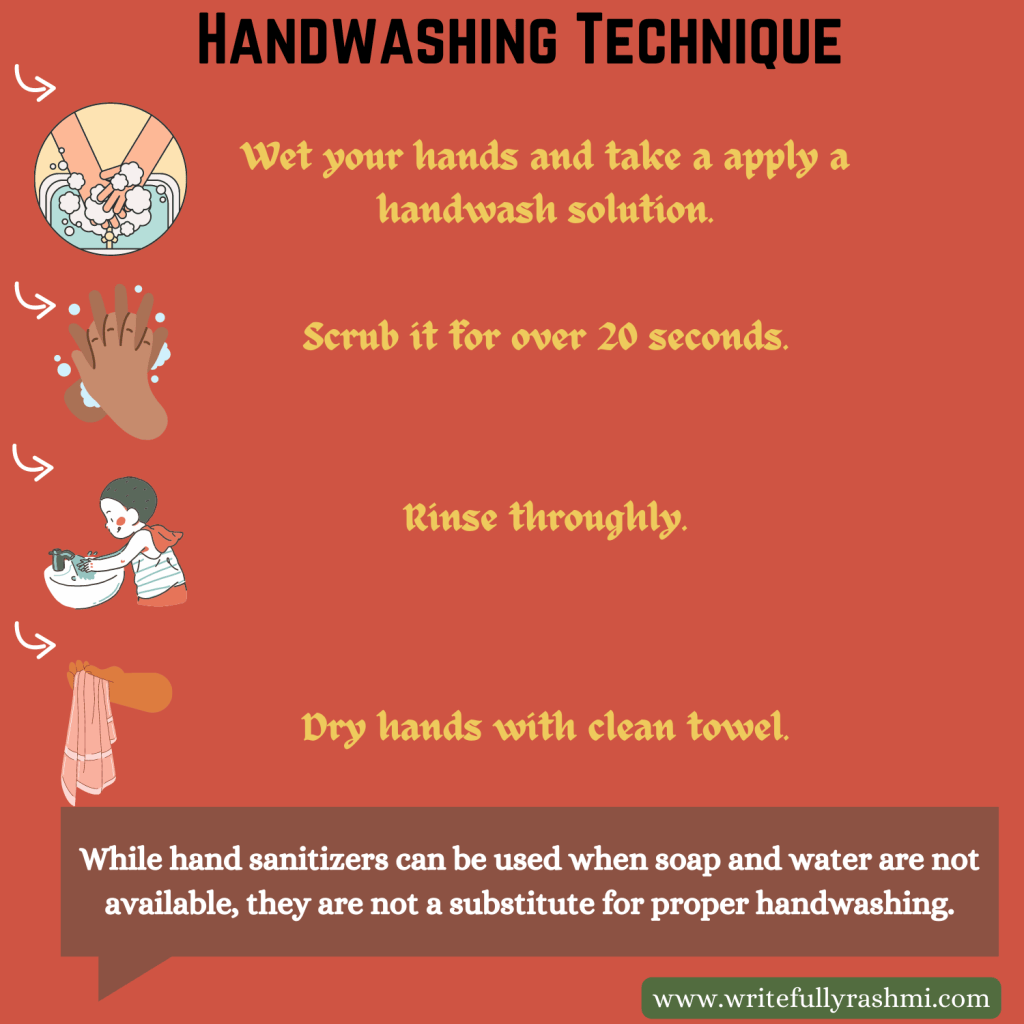
Teaching proper handwashing technique
Dettol Liquid Handwash
The Dettol Liquid Handwash ensures 99.99% protection from 100 illness-causing germs. It is recommended by Indian Medical Association (IMA). It has been manufactured with milder active ingredients containing more than 85% naturally derived ingredients and plant-derived cleansers. It is free from Triclosan. Its formula is designed for moisture retention and has an evolved fragrance. The brand is trustworthy and has been used in Indian homes since 1935. Surfactants and Salicylic acid present in it remove the virus from the skin. This is a fantastic product and can be found in most of the houses.
3. Dental Care and Oral Hygiene
Why is dental care important for children?
Maintaining good dental hygiene is essential for healthy teeth, preventing tooth decay, and promoting overall oral health.
How do cavities and tooth decay develop?
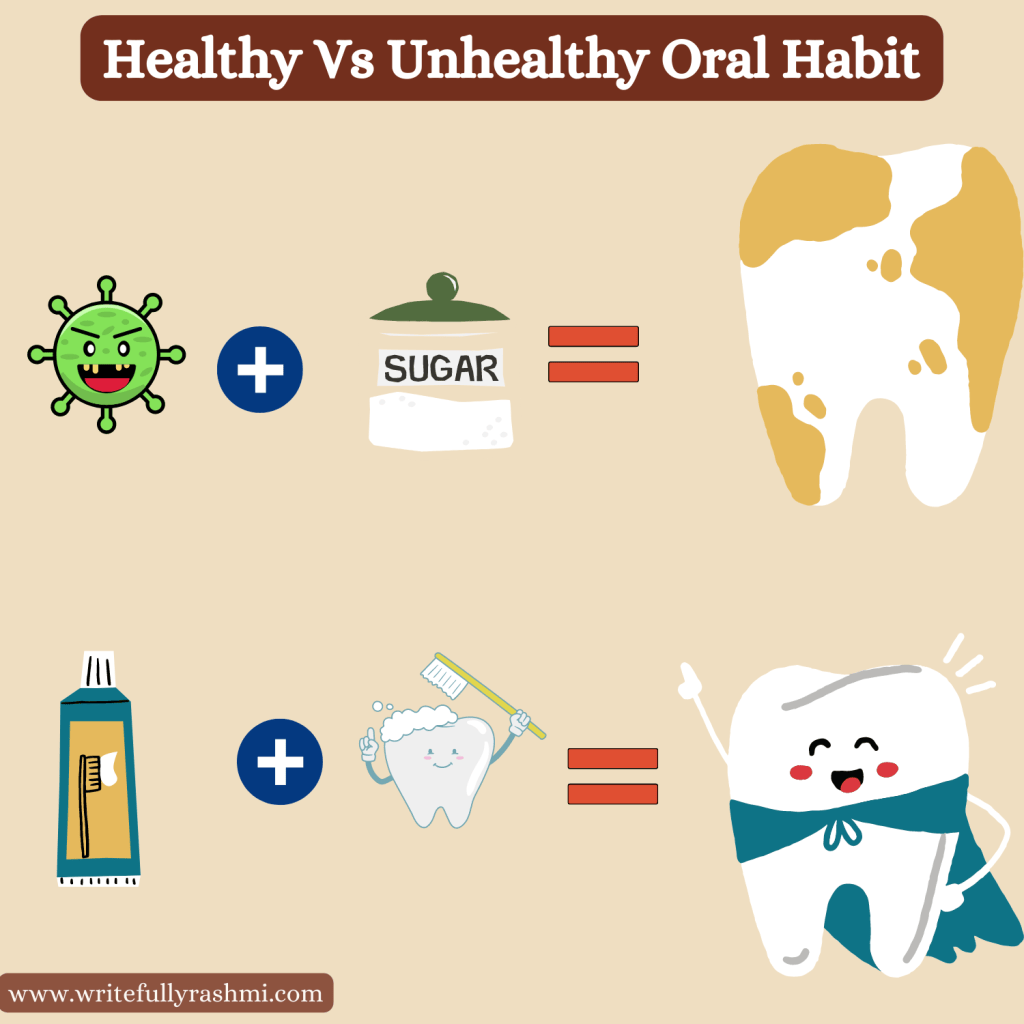
As per the National Institute of Dental and Craniofacial Research, tooth decay is developed by bacteria that get activated by sugar in food and gets modified into acid. These acids can drill a hole (cavity) in the tooth.
What are the consequences of poor dental hygiene?
Poor dental hygiene can result in toothaches, cavities, gum disease, bad breath, and potential long-term dental issues.
(SOME PRODUCT RECOMMENDATIONS)
Beco Wooden Bamboo Toothbrush
Beco Wooden Bamboo Toothbrush with Charcoal Activated Ultra-Soft Bristles (Pack of Three) is designed specifically for kids. It is a wooden toothbrush made from 100% organic Bamboo plant that is a Natural and Sustainable alternative to traditional petroleum-based plastic toothbrushes. They are biodegradable in Nature and hence can be disposed of easily. The components safely break down into the soil within 6 months of disposal. It has soft and durable bristles with waterproof handles. They are BPA Free, 0% plastic, Vegan and 100% Cruelty-Free and are meant for kids and adults.
Mamaearth 100% Natural Berry Blast
Mamaearth 100% Natural Berry Blast Kids Toothpaste is a gel-based kids’ toothpaste. it is free from Fluoride, Sodium Lauryl Sulfate, and artificial Flavors. Stevia, Aloe and Xylitol are the hero ingredients. It is safe for children. The brand has acquired a reputation because of the recommendations of its customers. So, go ahead and buy one for your kid. Be satisfied in introducing the right toothpaste for your little munchkin.
Zandu Copper Tongue Cleaner
Zandu Copper Tongue Cleaner (Pack of 2) is designed with 99.8% pure copper which helps in removing toxins and tongue coating and enhances overall oral and digestive health. Copper is known for eliminating bad breath and improving the sense of taste. Zandu Copper Tongue Cleaner has a comfortable grip along with thick & safe blunt edges that helps to avoid cuts. Kids can use it under the supervision of parents. A healthy tongue is gateway to a healthy digestion. Zandu Copper Tongue Cleaner is your go-to product. Check it out now!!
4. Bathing, Grooming, and Cleanliness
Why is bathing and grooming important?
Bathing and grooming practices help maintain cleanliness, remove dirt and sweat, and prevent unpleasant body odours.
How does regular bathing keep the body clean?
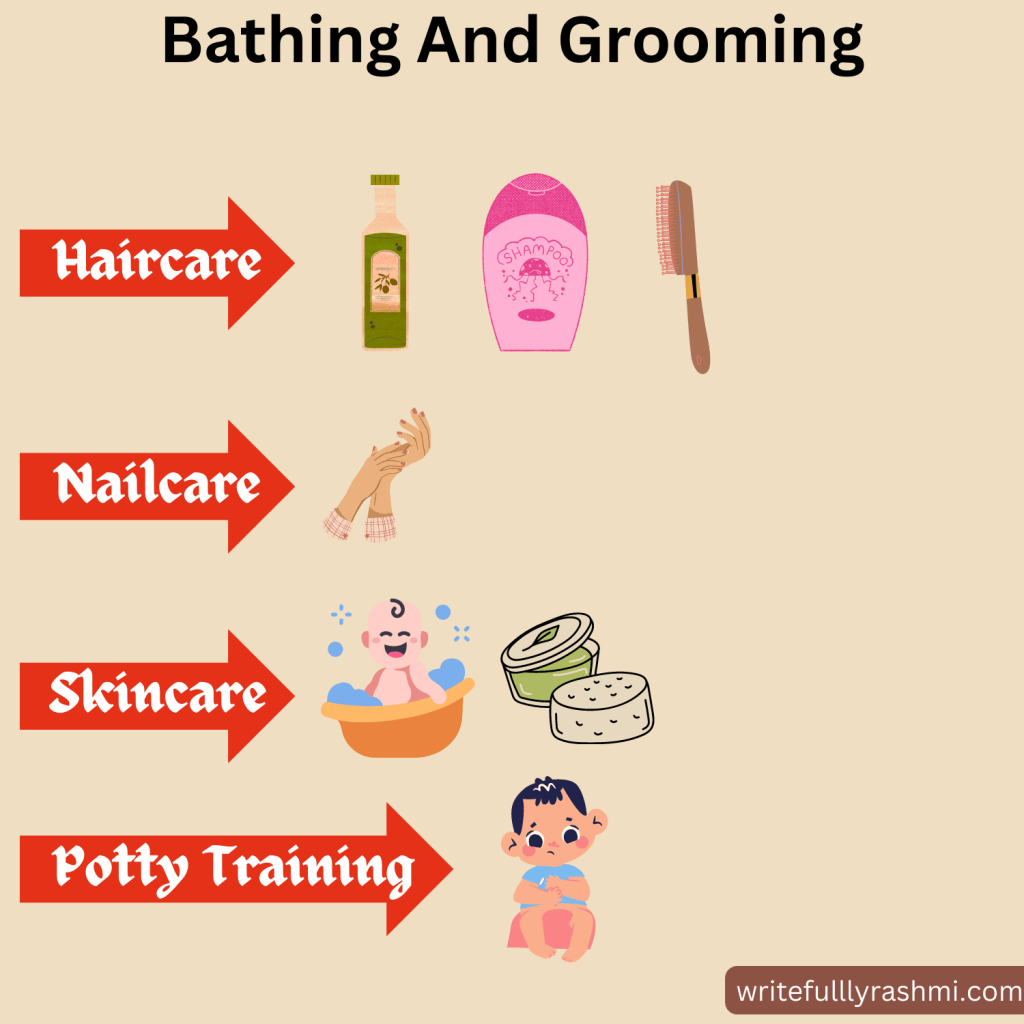
Proper grooming, such as hair care, nail care, and skin care, promotes a clean and tidy appearance and reduces the risk of skin infections.
(SOME PRODUCT RECOMMENDATIONS)
Mamaearth Moisturizing Baby Bathing Soap Bar
Mamaearth Moisturizing Baby Bathing Soap Bar is Dermatologically tested. Made with Goat Milk and Oatmeal, Shea Butter and coconut-based cleansers, is the perfect product for your newborn’s bathing regime. It has a good balance of pH-(5.5) which does not hinder your baby’s essential body oils. The tear-free formula does not irritate your baby’s eyes. It is free from silicones, parabens any perfumes/ colours. So, mommies!! Grab this amazing product. I have been using it on my little one for two years now.
Himalaya Gentle Baby Shampoo
Himalaya Gentle Baby Shampoo is an alcohol-free shampoo. Formulated with gentle ingredients like herbs which are clinically tested to be safe for your baby’s sensitive skin. It is also free from synthetic colours, silicones, parabens, phthalates and sulphates. It is also recommended for babies of all ages. Moms, you do not need to sort your shampoo search bars according to age now!

LuvLap Baby Grooming Scissors & Nail Clipper
LuvLap Baby Grooming Scissors & Nail Clipper is a 4-in-1 grooming set of scissors, clippers, tweezer and filer. It is made with high-quality BPA Free Plastic and rust-free stainless steel. It is non-toxic and can be used for babies of all ages. Its non-slip handle makes it an easy-to-grip product. The tweezer can be used to clean babies under nails, ear, nose or navel. You do not need to postpone your child’s grooming session with Luv Lap’s Grooming Scissors & Nail Clipper. Grab it now!
Addressing Common Challenges and Concerns
How do I make teaching hygiene fun?
Make it a fun session. Use games and activities like a fun song for washing hands. Create fun characters and scenarios that highlight the benefits of practising good hygiene habits. Utilize colourful posters, charts, and props to visually demonstrate hygiene practices. Children respond well to visual cues, and it helps reinforce the concepts memorably. Lastly, be a role model. Your child will never pick up clues unless she sees you incorporating them.
How do you confront your child about their hygiene?
- Choose the Right Time and Place. Wait until you find the right time to discuss it with your child. Avoid confronting them in front of others, as it may lead to embarrassment.
- Be Gentle and Empathetic: Approach the topic with kindness and empathy. Remember that children might not fully grasp the importance of hygiene or may struggle with certain habits due to various reasons.
- Avoid Shaming or Criticism: Avoid using negative language or shaming your child about their hygiene. Instead, focus on the positive aspects of maintaining good hygiene habits.
- Ask for their input: You can ask your kid to speak about hygiene and their take on it.
- Offer Practical Solutions: Provide practical solutions and tips to help them improve their hygiene routines. For example, demonstrate proper handwashing techniques or show them how to brush their teeth effectively.
How to deal with the resistance and the lack of interest of my child in maintaining a healthy hygiene routine?
A healthy hygiene routine cannot be established overnight. Parents need to be patient and persistent to let their children inculcate this process.
In my case, Vanshika used to poop in her diaper until she was six months old. One day I decided to potty train her. I purchased a poop box and made her sit on it. Crying, yelling, scratching me and all that stuff followed. But I remained firm and decided to let her understand the process eventually. It was a new experience for her and that might be the reason for her resistance. She is two years of age now and has formed a habit of asking me to take her to the toilet every day at 7 a.m.
Conclusion
Parents can be a bridge for their kid’s good hygiene adaptation. With patience, perseverance and persistence the void can be filled firmly. By explaining hygiene practices effectively and making them fun and engaging, we can help children develop lifelong habits that promote good health and hygiene.
“Please note that this article contains Amazon affiliate links. If you make a purchase through these links, I may earn a commission at no additional cost to you.“
Frequently Asked Questions
Why is teaching hygiene to children important?
Teaching hygiene to children is crucial because it helps prevent the spread of germs and illnesses, promotes overall health, and instills lifelong habits that contribute to their well-being. It also fosters positive self-image and confidence in social interactions.
At what age should I start teaching hygiene to my child?
Introducing basic hygiene practices can begin as early as toddlerhood. As soon as a child can understand simple instructions, you can start teaching handwashing, teeth brushing, and other age-appropriate hygiene habits.
How can I ensure my child practices hygiene outside of the home, such as in school or daycare?
Communicate with teachers and caregivers about the importance of hygiene and reinforce the lessons taught at home. Provide hygiene products your child is comfortable using and encourage open communication with educators.
What can I do if my child refuses to brush their teeth or take a bath regularly?
Address their concerns and fears with empathy and understanding. Find ways to make these activities enjoyable and rewarding for them. Consider using flavored toothpaste or bath toys to make the experience more enjoyable.



Leave a Reply