
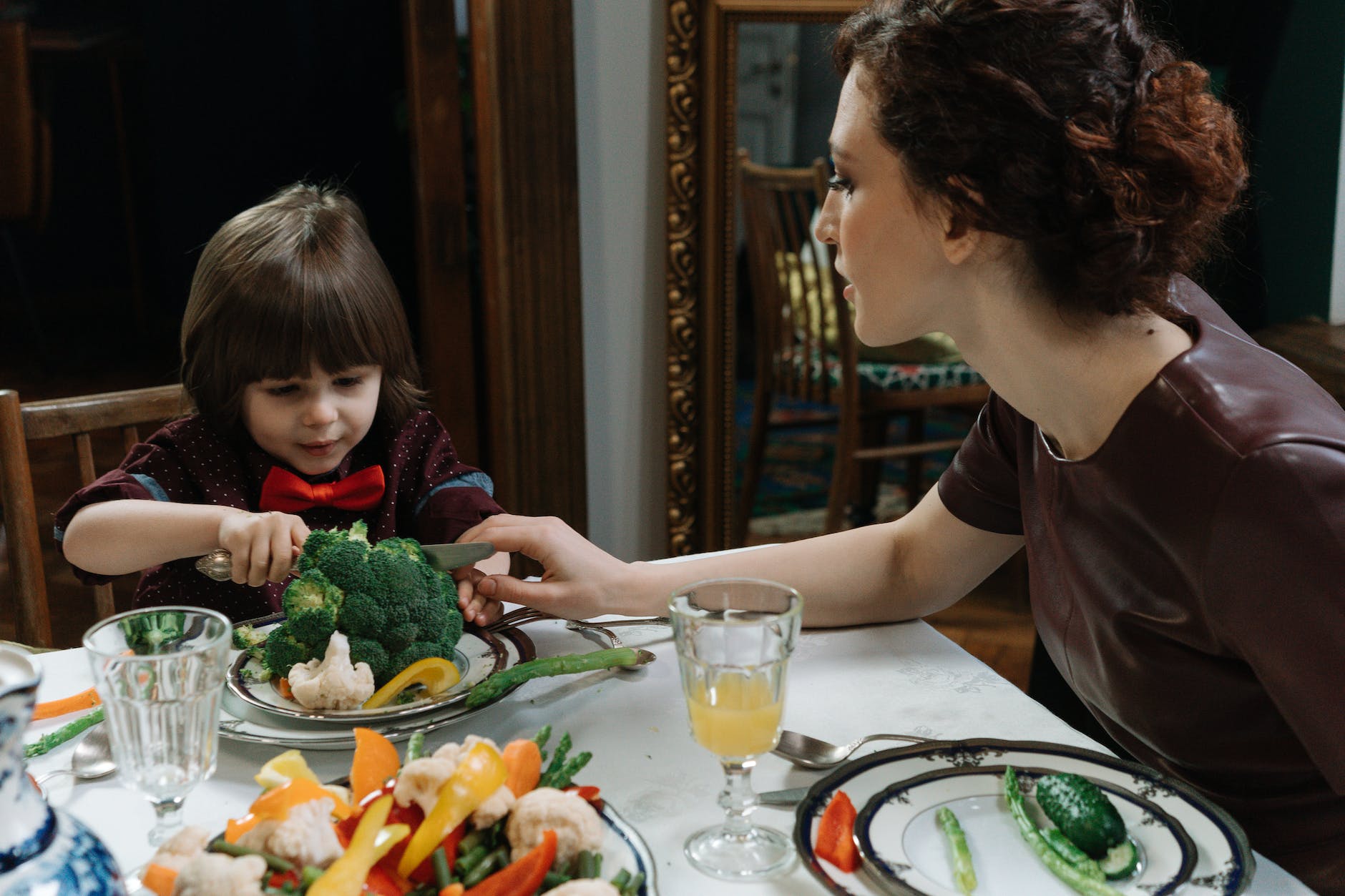
Being a mom to a two-year-old is like working 24*7. I sometimes get exhausted both mentally and physically. The most energy-consuming part is “mealtime”. Oh, God!! I am getting goosebumps even while writing this article, as it’s time for mealtime!!
Every mom will relate to this as feeding the right food, in the right amount, at the right time is our primary goal somewhere in the subconscious. By incorporating key components into their daily meals, parents can help their children build lifelong healthy habits.
Table of Contents
What Are the Key Components of a Healthy eating routine for kids?
Prioritizing nutrient-rich foods, portion control, hydration, variety, and a positive food environment are the key components of a healthy eating routine for kids. By incorporating fruits, vegetables, lean proteins, and appropriate portion sizes, parents can ensure their children receive essential nutrients. Encouraging hydration and offering healthy beverage options support overall well-being. Promoting a positive food relationship and fostering mindful eating practices contribute to healthy habits in children.
World Health Organization (WHO) Framework on Child Stunting

Here the emphasis is provided to breastfeeding for the first six months, complementarily continued until two years of age.
What types of foods should be included in a healthy eating routine for kids?
An amalgamation of nutrient-rich foods (calcium, iron, vitamins and healthy fats) is required for healthy growth. Incorporating fruits, vegetables and proper hydration can be beneficial on a long-term basis. The WHO has laid proper guidelines for the consumption of essential food items as per age. It has also been suggested that maintaining a healthy diet can help fight against non-communicable diseases.
What are the essential nutrients for a child’s growth and development?
Regulating the portion of fruits and vegetables, fats, salt, sugar and water is important. Anything that is taken in more than the required quantity can be harmful.
Calcium, apart from maintaining stronger bones also helps in muscle movement and provides blood pressure regulation.
Iron acts as a catalyst for red blood cells to supply oxygen throughout the body. Its deficiency can cause anaemia.
Vitamins promote growth, metabolism and healthy muscles, and help in calcium absorption.
Also Read: Heat Wave Safety Tips for Students: 7 Things to Remember for School Travel
How can parents incorporate fruits and vegetables into their child’s diet?
Colours grab the attention of a child. Including varied fruits and vegetables in the meal can be tempting for a child. He/she will want to eat it.

How can portion control and balanced meals support a child’s healthy eating routine?
Ok, now that we are aware of the importance of incorporating a healthy diet into our children’s means. The next step is to teach them how much is too much. To sum it up, creating awareness for portion control. If ignored it can cause serious health issues like obesity.
What is the importance of appropriate portion sizes for children?
A balanced is the core of overall health and well-being. Portion control not only educates children about regulating the amount of food but also maintains the right balance of nutrients and essentials. This can also help kids maintain a positive relationship with food throughout life.
How can parents create balanced meals for their children?

How can parents promote healthy snacking habits for their children?
Introducing healthy snacking food habits like fruits, yoghurt and whole grain snacks goes for a thumbs up. However, kids might not like them at first. It is normal and parents should not force feed. On the bright side, if we consume it ourselves, kids might try it. In this way, parents can occasionally add up new snacking items and promote healthy snacking habits. Parents must ensure that kids do not indulge in screen time during meals. Kids also tend to imitate siblings, so teach them to help one another and develop a healthy diet.
What are some nutritious snack options for children?
Choosing nutritious snacks is crucial for children’s health. Parents can prepare a chart for a week and provide these snacks to their children.

How can parents establish a positive snacking routine?
There are no strict rules that parents need to adhere to, yet they need to maintain a balance so that children get all the nutrients and have a positive impact on overall health and well-being.
- It’s Snack Time. Set a time for snacks and follow it with consistency. This keeps the hunger pangs under check and kids will not end up munching anything unhealthy.
- Involve them in planning. Let children decide what they want to munch today. Offer them a variety of snacks to choose from. This will create a sense of ownership with those healthy options.
- Portion Control. Guide them in understanding the amount of food kids can consume. This will prevent them from over-eating.
- Looking forward. Make your kid’s snack time so enjoyable that they look forward to it. Sit with them, and have a cheerful conversation. Wallah!!!! you have completed your mission…
- Variety. Offer them a variety of snacks ranging from fruits to nuts. This will give them an instant mix of tastes.
Here is my detailed article on Healthy Snacks For Kids: 6 Ways to Make Your Picky Eater Love Them
Also Read: “How to Supercharge Growth by Cultivating Good Habits in Your Child?”
How can parents encourage hydration in their children’s routines?
Water is as much vital for a kid’s overall health as food. Ensuring that kids drink fluids as per the recommendation creates a balance for good health. Provide them easy access to water throughout the day, whether at home or on the go. Hydration ensures smooth bowel movements and checks Urinary tract infections.
How much water should children drink daily?
As per Children’s Hospital of Orange County (CHOC), hydration is recommended as per age and the consumption of any other fluid should not be counted as consuming water. The table below explains this:
| Age in years | Number of 8 oz cups |
| 1 | 1 |
| 2 | 2 |
| 3 | 3 |
| 4 | 4 |
| 5 | 5 |
| The count goes on….. | Eight 8 oz cups = 2 Liters |
What are some fun ways to encourage children to drink more water?
Getting children to drink adequate water can be tricky. Parents can adopt some fun ways to maintain hydration.
- Make it colourful. Add some slices of different coloured fruits like strawberries, oranges and cucumber to give a pump of colour to their glasses/bottles.
- Use fun water bottles. Buy them their favourite cartoon character bottles. This might encourage them to drink more water from their personalized bottles.
- Set hydration goals. Create a fun chart or use a sticker system to track their daily water intake. Celebrate milestones and achievements with rewards or small incentives, making it a game to reach their hydration goals.
- Use fun straws or reusable cups. Utilize colourful and whimsical straws or special cups with playful designs to make drinking water more enjoyable. Let children pick their favourite designs to make their own.
- Offer water-rich foods: Include hydrating foods in their diet, such as watermelon, cucumbers, grapes, and citrus fruits. These foods have high water content and can contribute to their overall hydration.
How can parents establish positive eating routines for their children?
Establishing a positive eating routine is very important for the long-term effects and benefits for children. You can always hear your paediatrician suggesting how important having a healthy meal is for your baby. During the nurturing years, the benefits are absorbed in high intensity and act as an umbrella against diseases for a lifetime.
Offer a variety of foods that cater to all the nutrients. Have a structured and pleasant dining environment. Keep the timings on track. Celebrate and promote healthy relationships with food. It’s also important to practice patience and persistence, understanding that developing positive eating routines takes time.
What are the benefits of establishing regular meal times for children?
- Promotes Healthy Eating Habits. Maintaining a regularity for meal time encourages children to eat when they are hungry, rather than grazing or snacking throughout the day.
- Enhances Digestion and Metabolism. Eating at consistent intervals allows the body to efficiently break down and absorb nutrients, supporting overall digestion and metabolism.
- Healthier option. Home-cooked food is healthier than outside food.
- Fosters Family Bonding. Family can strengthen their bond at the dining table. Regular family meals promote communication and social interaction.
How early should you teach your children healthy eating habits?
For the first six months, it is advised to only breastfeed a child, if the mother finds herself unsupportive for lactation, formula might be the next option.
Once the baby crosses the six-month milestone, try to introduce solids slowly and as age-appropriate.
Later on, parents can try different permutation combinations and judge which food suits their baby.
One must keep in mind that the capability and appetite of each child are different. So parents should neither force feed nor make comparisons with any other child. You can also consult your paediatrician to help establish a healthy eating routine for kids.
In my case, Vanshika is not a picky eater but has a lower aversion towards food. I have tried oats, daliya(half-ground or coarsely ground grain) and other similar options as a sweet and salty dish. My conclusion is that she is inclined towards salty foods more than sugary ones. So, I prepare oats and daliya with lentils and some veggies. To balance the chart, I provide her fruits, dry fruit laddus made of jaggery and more. I try also to balance out her hydration level and ask her to carry her water bottle to the park every day.
The point is parents do not need strict guidelines. Another important thing is that you do not worry if your kid skips a meal or two sometimes. However, if this pattern continues, speak to your paediatrician.
Conclusion
By incorporating the key components of a healthy eating routine into their children’s lives, parents can set a foundation for lifelong well-being. Prioritizing essential nutrients, balanced meals, portion control, healthy snacking habits, hydration, and positive eating routines can help children develop healthy habits and make better food choices as they grow. Remember, consistency and parental involvement play crucial roles in establishing healthy eating routines. Empower your children to embrace nutritious foods, create a positive mealtime environment, and set them on the path to a lifetime of good health.
Frequently Asked Questions
Are snacks important for children?
Yes, snacks can be a valuable part of a child’s eating routine, providing additional nutrients and energy between meals. Opt for nutritious snack options like fruits, vegetables, whole-grain crackers, or yoghurt.
Should I restrict certain foods or food groups in my child’s diet?
Unless there are specific medical or dietary reasons, it is generally not recommended to restrict entire food groups. Instead, focus on providing a balanced and varied diet that includes all food groups in appropriate portions.
How can I help my child develop a healthy relationship with food?
Encourage a positive food relationship by promoting a non-restrictive and inclusive eating environment, avoiding labelling foods as “good” or “bad,” and emphasizing the enjoyment and nourishment that food provides.


Leave a Reply